











The Martini Is Not Just a Drink. It's a Point of View.
Cold, clear and deceptively simple, the Martini has spent more than a century inspiring arguments about how two ingredients should share a glass. Perhaps the argument is the point.
There are cocktails you order because you're thirsty. There are cocktails you order because you're celebrating. And then there's the Martini.
Ordering a Martini is practically a declaration of character.
Gin or vodka? Wet or dry? Olive or twist? Shaken or stirred?
Four questions. Potentially four arguments. And somewhere behind the bar, a bartender quietly reassessing your personality.
No other cocktail makes quite so much ceremony out of so little. At its most recognizable, the Martini is simply gin and vermouth, chilled with ice and served without it. Yet within those modest boundaries lies an extraordinary range of flavours, textures and traditions.
The Martini isn't merely a drink. It's a conversation about what a drink ought to be.
A history as cloudy as the drink is clear

For something so closely associated with precision, the Martini has an impressively uncertain past.
The popular story that it was invented in Martinez, California, for a Gold Rush traveller is appealing. Unfortunately, compelling stories and compelling evidence are not always the same thing.
Cocktail historian David Wondrich, writing in The Oxford Companion to Spirits & Cocktails, traces documented gin-and-vermouth combinations to 1883. The following years produced a tangle of related drinks and names, including Martinez, Martine and Martini. No single inventor has been conclusively established.
What we can say with greater confidence is that the Martini evolved.
Its nineteenth-century ancestors were often sweeter and more elaborate than today's familiar version. Old Tom gin, sweet vermouth, bitters and other modifiers appeared in early formulations. As dry gin and dry vermouth gained favour, the cocktail gradually acquired its leaner, sharper character.
The Martini didn't emerge fully formed from one inspired bartender's mixing glass.
It became itself over time.
And, in a sense, it's still becoming.
The great vermouth misunderstanding
Somewhere along the way, the Martini developed a peculiar reputation: the less vermouth, the better.
Entire generations of drinkers embraced the idea that a truly sophisticated Martini should contain almost none of it. The jokes practically wrote themselves. Merely glance toward France. Wave the vermouth bottle over the glass. Keep the vermouth in another room.
It's amusing. It's also a little unfair to vermouth.
A good dry vermouth isn't an inconvenience to be eliminated. It's a fortified, aromatized wine that can bring herbal complexity, acidity and subtle bitterness to the gin.
Remove it entirely and you may have an exceptionally cold glass of gin. That can be enjoyable, but it is not quite the same experience.
The Martini's proportions have varied enormously across its history, from relatively vermouth-rich versions to modern interpretations using only a trace. There is no single universally accepted ratio.
The interesting question isn't how little vermouth you can get away with.
It's how much makes the gin taste better.
Gin, vodka and the question of identity
For traditionalists, the answer is straightforward: a Martini is made with gin.
Gin brings juniper, citrus, herbs and spices to the glass. Combined with vermouth, those flavours create a cocktail with considerable complexity despite its short ingredient list.
Vodka offers something different.
Its comparatively neutral character allows temperature, texture, dilution and subtle vermouth notes to take centre stage. The result can feel exceptionally clean and direct.
One is not automatically superior to the other. But they are different experiences, and pretending otherwise does neither any favours.
Our preference? Gin, when we want a Martini with personality. Vodka, when we want a Martini that emphasizes restraint and texture.
The distinction is less about rules than expectations.
James Bond and the Martini that became a cultural icon
No fictional character has done more to turn the Martini into a statement than James Bond. His famous preference for a Martini “shaken, not stirred” is one of the most recognizable drink orders in popular culture. But Bond's association with the cocktail is more specific—and more interesting—than a single line.
In Ian Fleming's Casino Royale (1953), Bond specifies a drink made with gin, vodka and Kina Lillet, shaken until very cold and finished with a large, thin slice of lemon peel. He later names it the Vesper, after Vesper Lynd. It is not simply a conventional dry gin Martini with a theatrical instruction; it is a distinct recipe, shaped by the ingredients and sensibility of its era. Kina Lillet is no longer made in its original form, which complicates claims that any modern recreation is exact.
Bond helped make the shaken Martini fashionable, but he did not settle the question of how every Martini ought to be made. Stirring generally suits a clear, spirit-forward gin-and-vermouth Martini; shaking produces a colder-feeling, more aerated and sometimes cloudier result. Both can be deliberate choices when made with care. The important thing is to understand the difference rather than imitate a movie line automatically.
The Mixology perspective: Bond's real contribution was not a universal mixing rule. It was making the details of a drink—its ingredients, temperature, garnish and ritual—part of the character who ordered it.
An olive changes everything

Consider the garnish.
A lemon twist adds aromatic citrus oils that brighten the drink before it even reaches your lips.
An olive introduces savoury character and, depending on its preparation, a little salt.
Add olive brine and you've entered Dirty Martini territory, where savouriness becomes a defining feature rather than a supporting note.
These aren't merely decorations.
They're finishing ingredients.
The same Martini can feel bright and brisk with lemon, rounded and savoury with an olive, or distinctly briny when served dirty.
That's why the garnish deserves as much consideration as the spirit.
The pleasure of having a preference
There's something wonderfully old-fashioned about knowing exactly how you like your Martini.
Not because sophistication requires memorizing obscure ratios or correcting bartenders. Quite the opposite.
A good Martini teaches you to pay attention.
You begin noticing how a little more vermouth changes the aroma. How one gin's citrus character differs from another's herbal profile. How the temperature alters the first sip. How the final sip, slightly warmer than the first, reveals flavours you initially missed.
These are small discoveries, but they accumulate.
Eventually, you stop asking for the Martini you're supposed to like and start ordering the one you actually enjoy.
That's when the drink becomes interesting.
The Mixology View
The perfect Martini is not a fixed formula. It's a well-informed preference.
We favour a gin Martini with enough dry vermouth to contribute something meaningful, served thoroughly chilled and finished with an expressive lemon twist.
But the greater pleasure is discovering your own balance.
Start with a classic interpretation. Change one thing at a time. Notice what happens.
The Martini rewards curiosity more generously than obedience.
And if somebody across the bar insists there's only one correct way to drink it?
Order another round. You clearly have something to discuss.
Editorial notes — not part of the published article
SEO title: The Martini: History, Traditions and the Perfect Serve
Meta description: Explore the Martini's disputed origins, gin versus vodka, vermouth ratios, garnishes and the art of finding your perfect serve.
Suggested internal links: Classic Martini, Dirty Martini, Martinez, Gin and Tonic, and a future guide to vermouth.
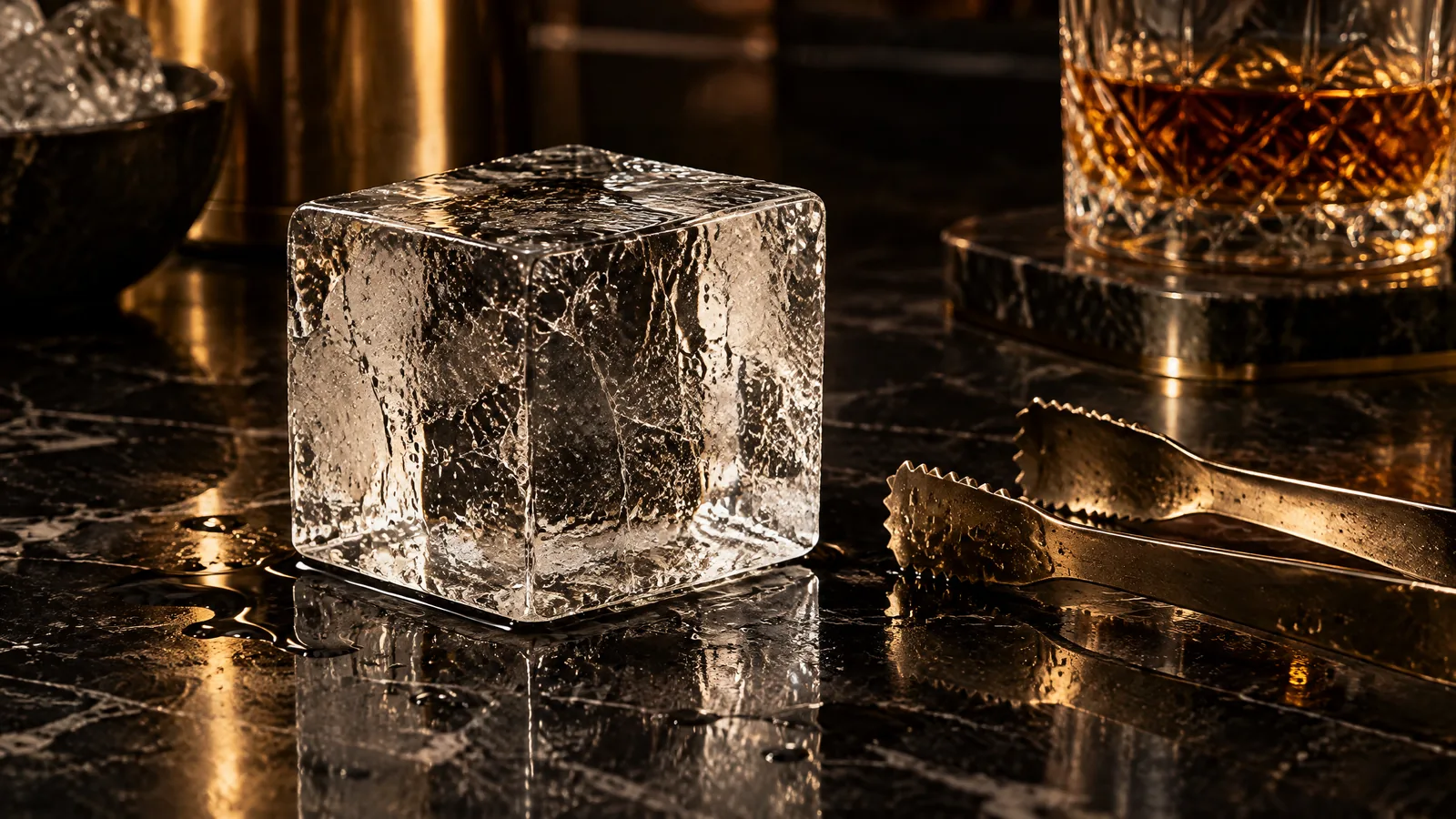
Photography: The image above is a visual reference, not an approved Mixology.com production photograph.
—
← Back to The Journal